Wired Vs. Wireless Connection
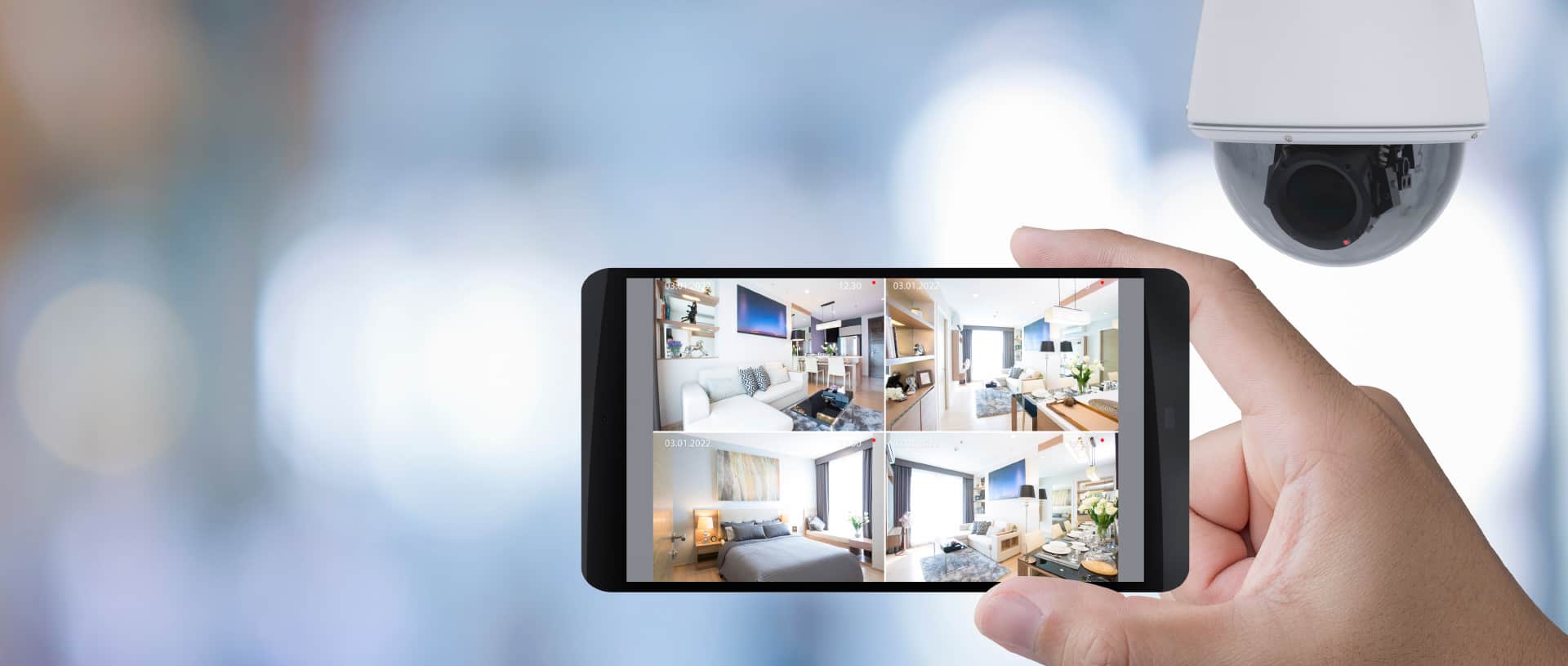
There are two main types of connections for CCTV cameras to the monitor or recording device, they consist of either a fixed cable or a wireless connection.
Fixed Cable Connection
Fixed cable connection means that your camera will be physically connected to your monitor or recording device via a co-axial cable, most of the time they are similar to your normal home TV cables.
Wireless Connection
Most wireless CCTV cameras use the 5.8 Gigahertz frequencies to transmit their video images to a monitor or DVR (digital video recorder). Usually, frequencies can be slightly changed to have more than one group of cameras in a specific space. Wireless CCTV cameras used at this frequency can easily transmit through most walls and obstacles; however each individual location will have its own operating limits. Most wireless CCTV cameras can send data up to a range of about 5 KM, however many will more likely work well when transmitting less than 150 feet. (A clear line of sight transmission will always be required).
Obviously a wireless connection allows you greater freedom to place your CCTV camera almost anywhere. While wireless CCTV cameras transmit their video images to a digital video recorder or monitor. All of these types of cameras must be connected to an electrical outlet. There is however some CCTV cameras that are battery operated.
Types of CCTV Cameras
All our CCTV Installations are installed and maintained to current regulations. (P.S.A. 2006-12)
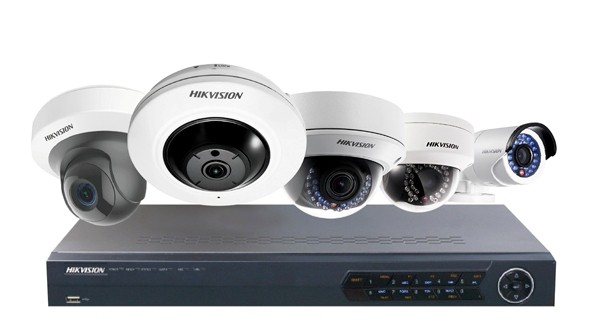
There are many types of CCTV cameras, they can be categorized by the types of images they are able to capture, the amount of frames they can take per minute, the type of connection to the monitor or video recording device, whether they are able to move position, and special functions they can provide.
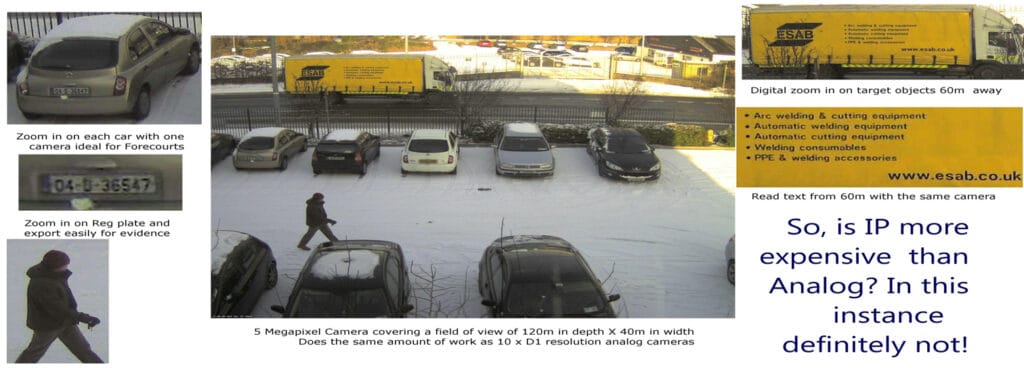
Types of Images: CCTV cameras generally take colour video images. In addition, all of our CCTV cameras will have night vision capabilities which allow a CCTV camera to view and record low light images using special technology. IP cameras are becoming more and more popular as their price decreases, as they can have mega-pixel super-sharp clarity and can be connected to a standard CAT5 or CAT6 network, most have POE (Power Over Ethernet) capabilities, meaning the cable from the camera can also carry power to the camera. This reduced the installation cost as no power supply units are needed.
Frames per Second: Frames per second means the amounts of full frames that a video camera captures and sends to a recording device or monitor per second. While most CCTV camera systems are easily able to capture 30 or more frames per second (25 fps is considered real time), the amount of digital storage would be enormous to record every moment of everyday. For most installations, speeds of 2 to 12 frames per second are more than enough to catch and record a perpetrator committing a crime.
Pan Tilt Zoom (PTZ) Cameras: These types of CCTV cameras allow a person controlling the surveillance of an area to move the camera remotely, usually with a radio or wired controller. Most moveable cameras allow the person monitoring it to move the camera from right to left (pan), up and down (tilt) and from a tight angle to a wide angle (zoom in & out).
Cameras with Special Accessories: Certain CCTV cameras have special functions which are made for specialty uses. For instance, there are extremely small surveillance cameras that are used for covert observation (Nanny Cams). There are cameras that are made for night viewing, cameras that are vandal resistant and cameras that are specifically made for indoor or outdoor uses.